Sulcata Tortoise Enclosure and Habitat
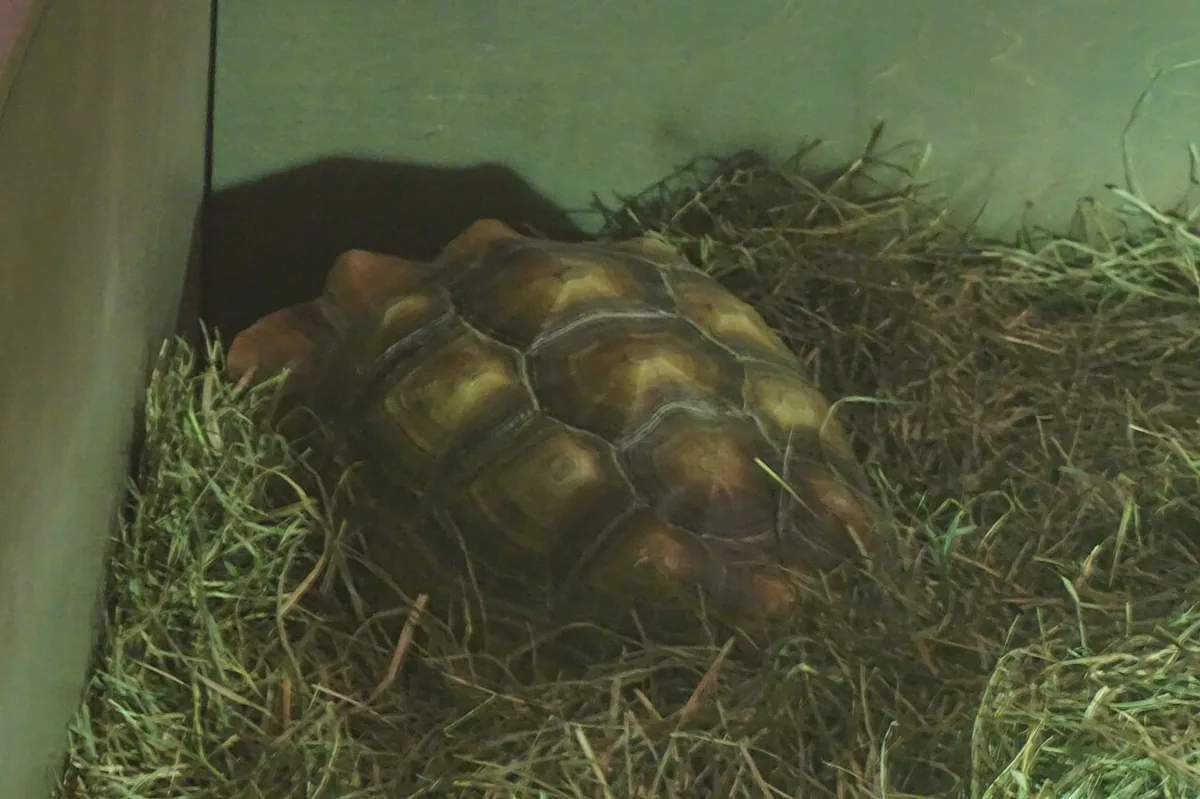
Sulcatas are the species where the enclosure question decides whether you should keep one at all. Published figures for adult outdoor pens vary widely, and sources agree on the harder point: an adult sulcata cannot be adequately housed indoors.
What published sources give
| Figure | Size | Notes |
|---|---|---|
| Indoor, adult | At least 80 sq ft cited, but described as not adequate | Sources state adults cannot be properly housed indoors |
| Outdoor, per adult (range across sources) | 100 sq ft minimum · 150 sq ft · 200+ preferred · 400 sq ft per veterinary guidance | Genuinely wide disagreement; see below |
| Also published | 20 x 30 ft pen | Another commonly cited outdoor figure |
| Boundary | Sunk at least 12 in underground | They dig out otherwise |
Checked September 20, 2026. Where sources differ the range is shown rather than averaged. These are the figures published as minimums; none of them is a maximum.
What changes as they grow
Hatchling and juvenile
Manageable indoors while small, which is exactly what makes the species such a common surrender. The indoor phase is temporary and short relative to the animal's life.
Adult
Permanent outdoor housing with grazing, shelter and a sunk boundary. Adults have been known to dig through drywall, and heating, lighting and cleaning an indoor space of the required size is described as both impractical and extremely expensive.
Enclosure mistakes specific to this species
Assuming the indoor phase can continue
It cannot. Published guidance is direct that adults require large outdoor enclosures with room to roam, burrow and graze, and that indoor housing of an adult is not adequate. If your climate cannot support outdoor housing, this is the wrong species rather than a problem to engineer around.
A boundary that is not sunk
Sulcatas are powerful burrowers and will dig under a fence that only starts at ground level. Guidance is to sink the barrier at least 12 inches. Cinder block is commonly recommended over wood because an adult can simply push wood over.
No burrow or shelter inside the pen
Burrowing is natural thermoregulation for this species. A sulcata that cannot dig down inside its enclosure will dig under the boundary instead, so providing somewhere to dig is part of containing them.
Forgetting predators and weather
Covering the pen with chain link is commonly recommended to keep predators out, and a heated, insulated shelter is needed wherever winters are cold.
Enclosure hazards that apply to almost every setup
Five hazards come up across nearly every species on this site: contact burns from unguarded heat, UVB that never reaches the animal, cutting ventilation to hold humidity, unsecured decor, and trusting a bulb's wattage instead of a thermometer. They are set out in full, with sources, on our enclosure hazards page, which is worth reading once against any setup including one that looks finished.
Signs the enclosure is wrong
Animals tell you about their housing through behaviour before they tell you through illness. None of these is a diagnosis; each is a reason to look at the enclosure and, where noted, to call a vet.
| What you see | What it can mean |
|---|---|
| Digging along the fence line persistently | Either looking for a burrow site or working on an exit. Both point at the enclosure. |
| Pyramided, lumpy shell growth | Husbandry across diet, humidity and UVB. Largely irreversible once formed. |
| An adult kept permanently indoors | Not a symptom but a standing welfare problem; published guidance is clear this is inadequate. |
| Wall or door damage in the house | Adults are strong enough to dig through drywall, which is a sign the housing plan has already failed. |
Common questions
How big does a sulcata tortoise enclosure need to be?
Published figures vary widely. For an adult outdoors, sources give minimums from around 100 square feet per tortoise up to 400 square feet under veterinary guidance, with many experienced keepers running 200 or more. A 20 by 30 foot pen is another commonly cited figure.
Can a sulcata tortoise live indoors?
Not as an adult. Published guidance states that adults cannot be adequately housed indoors and require large outdoor enclosures with room to roam, burrow and graze. The indoor phase while they are small is temporary.
How do you stop a sulcata tortoise escaping?
Sink the boundary at least 12 inches underground, because they dig. Cinder block is commonly recommended over wood, since an adult is strong enough to push wood over. Providing somewhere to burrow inside the pen also reduces digging at the edges.
How much space does a sulcata really need?
Enough that most people should not keep one. This is the species behind a large share of tortoise surrenders, and the enclosure requirement is the reason. Treat the space question as the decision point rather than a detail to solve later.