What do musk turtles eat?
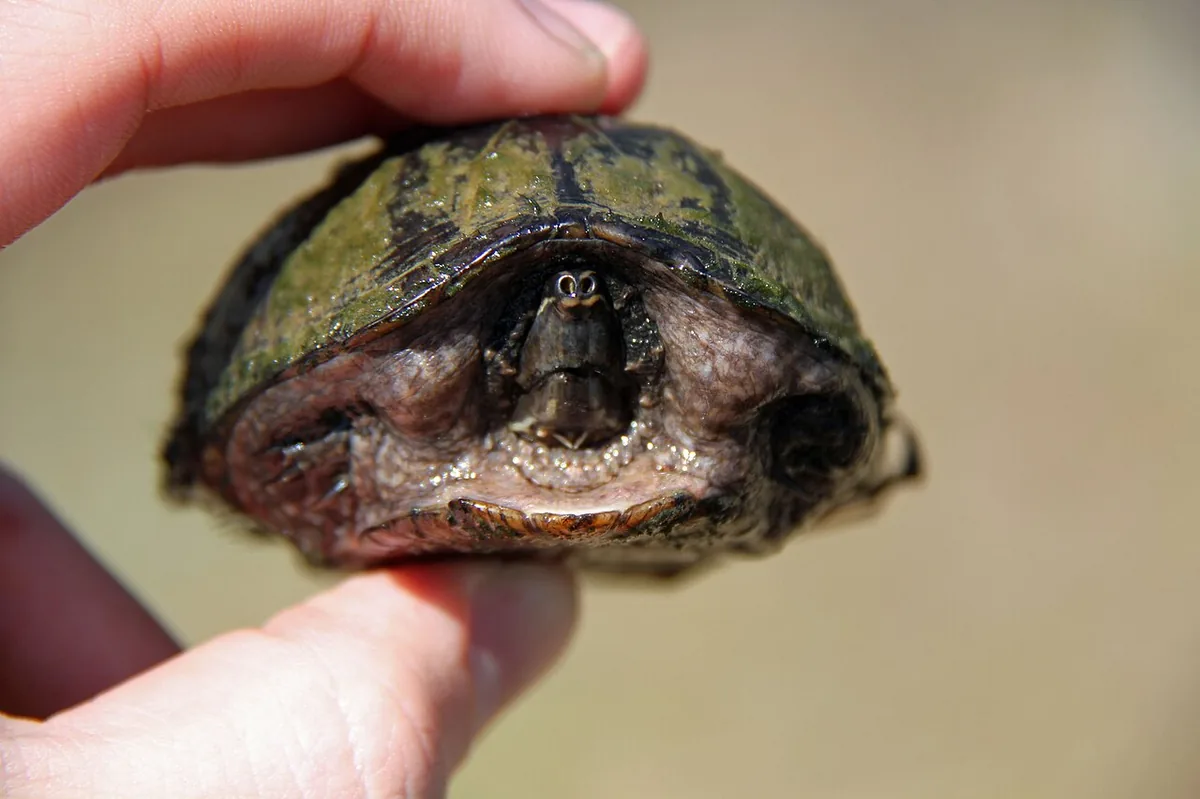
The short answer
Musk turtles are opportunistic omnivores that lean carnivorous. Molluscs and insects make up a significant part of the wild diet, and unlike sliders they do not shift strongly toward plants as adults. They are small, fully aquatic and spend most of their time walking on the bottom rather than swimming.
Feeding schedule by age
| Life stage | Diet balance | How often | Notes |
|---|---|---|---|
| Juvenile | Protein-led | Daily | Growing quickly |
| Adult | Protein-led with some plant matter | Every other day | Less plant matter than a slider |
| All ages | Commercial pellets | Part of the diet only | Not a complete diet alone |
What to feed
| Food | Role | Why |
|---|---|---|
| Snails | Staple | Natural prey; excellent calcium |
| Earthworms | Staple | Well accepted |
| Crickets, dubia roaches | Protein | Rotate |
| Bloodworms, shrimp, krill | Protein | Good variety |
| Safe feeder fish (guppies, platies) | Occasional | Avoid goldfish and rosy reds |
| Commercial turtle pellets | Supplement | Part of the diet, not all of it |
| Cuttlebone | Calcium | Left available; replace every 1-2 months |
What never to feed
Items in this table are either outright toxic or cause predictable long-term harm. This is the part of the page worth reading twice.
| Do not feed | Why |
|---|---|
| Goldfish and rosy red minnows | Contain thiaminase, which destroys vitamin B1. |
| A plant-heavy slider diet | Musk turtles need more protein than sliders as adults. |
| Avocado | Toxic. |
| A pellet-only diet | Nutritionally incomplete as a sole food. |
| Deep open water with no easy surface access | Poor swimmers; they need to reach the surface easily. |
Where good sources disagree
Care sheets do not all say the same thing, and pretending otherwise helps nobody. These are the real points of difference between the sources cited at the foot of this page, and what we think the safe reading is.
How much plant matter adults need.
Sources describe musk turtles as omnivores inclining carnivorous, and the practical range of recommended plant matter is wide. What is consistent is that they need more protein as adults than a red-eared slider, and should not be transitioned to a plant-led diet on the same schedule.
What most musk turtle feeding advice gets wrong
They are not small sliders.
Musk turtles are often kept and fed like miniature red-eared sliders. Sliders become strongly herbivorous as adults; musk turtles do not. An adult musk turtle moved onto a slider's plant-led diet is being underfed in protein, and the animal is too small for the error to take long to show.
Poor swimmers need shallow water and easy exits.
This is a feeding-relevant point because musk turtles forage by walking the bottom. Deep open water without easy access to the surface or to basking makes feeding stressful and, at worst, is a drowning risk for a turtle that is not a strong swimmer.
Common questions
What do musk turtles eat?
Mainly animal protein: snails, earthworms, insects, shrimp and krill, supplemented with commercial turtle pellets and some plant matter. They are opportunistic omnivores that lean carnivorous, with molluscs and insects forming much of the wild diet.
Do musk turtles eat plants?
Some, but far less than a red-eared slider. Musk turtles remain protein-led into adulthood rather than shifting strongly toward vegetation, so a slider's adult diet of mostly plants would underfeed them.
Can musk turtles eat goldfish?
They should not. Goldfish and rosy red minnows contain thiaminase, an enzyme that destroys vitamin B1 and causes a cumulative deficiency. Guppies and platies are the usual safe live alternatives, and snails are a better natural choice.