← Children's Python care guide
What do Children's pythons eat?
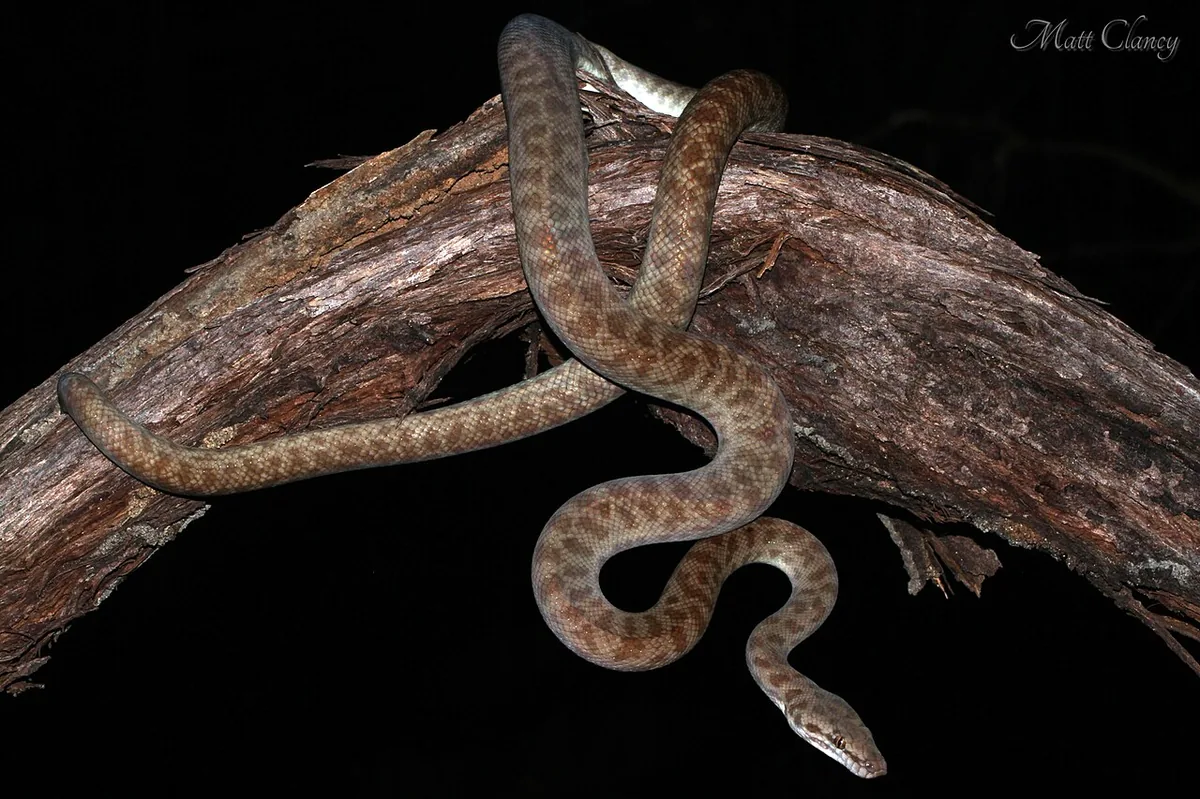
The short answer
Children's pythons are among the smallest pythons kept, and they eat accordingly. Mice suit them for life, rats are rarely appropriate, and the small adult size means portion errors show up quickly as a visibly overweight snake.
Feeding schedule by age
| Life stage | Diet balance | How often | Notes |
|---|---|---|---|
| Hatchling | Pinky mouse | Every 5-7 days | Small prey |
| Juvenile | Fuzzy to hopper | Every 7 days | Modest growth |
| Adult | Adult mouse | Every 7-14 days | Rats seldom needed |
What to feed
| Food | Role | Why |
|---|---|---|
| Frozen-thawed rodents | Staple | Safer than live; thaw in the fridge, warm in warm not hot water |
| Mice | Staple | Appropriate across the whole life of the snake |
What never to feed
Items in this table are either outright toxic or cause predictable long-term harm. This is the part of the page worth reading twice.
| Do not feed | Why |
|---|---|
| Live prey left unattended | Rodents bite and can seriously wound or kill a snake. |
| Prey wider than the snake's thickest point | Regurgitation and injury risk. |
| Wild-caught rodents | Parasite, disease and rodenticide risk. |
| Meat, eggs or other substitutes | Snakes need whole prey for complete nutrition. |
| Rats for an average adult | Usually oversized for this species. |
| Scaling up prey because the snake is a python | Antaresia are small-bodied. |
Where good sources disagree
Care sheets do not all say the same thing, and pretending otherwise helps nobody. These are the real points of difference between the sources cited at the foot of this page, and what we think the safe reading is.
Whether adults ever need rats.
A few of the largest individuals take a small rat comfortably. For most, mice remain appropriate for life. Sizing by girth resolves the question for any given animal better than a rule about prey species.
What most children's python feeding advice gets wrong
The name is about a person, not about children.
Children's pythons are named for John George Children, a nineteenth-century naturalist. The name gets read as a recommendation for young keepers. They are in fact a reasonable small python for a beginner, but for reasons of size and temperament rather than anything implied by the name.
Small python, small prey.
Keepers arriving from larger pythons routinely oversize meals for Antaresia. An adult of this species is comfortably served by an adult mouse. If the prey creates a pronounced lump, it was too large.
Common questions
What do Children's pythons eat?
Appropriately sized mice, offered frozen-thawed, throughout their lives. They are one of the smallest pythons commonly kept, so rats are rarely appropriate even for adults.
How often should I feed a Children's python?
Hatchlings every five to seven days, and adults every seven to fourteen. They are generally willing feeders, which means overfeeding is the more likely error, so judge by body condition.
Are Children's pythons good for children?
The name refers to the naturalist John George Children rather than to suitability for young keepers. That said, their small adult size and generally manageable temperament do make them a reasonable small python for a beginner with adult supervision.