Leopard Gecko Enclosure and Habitat
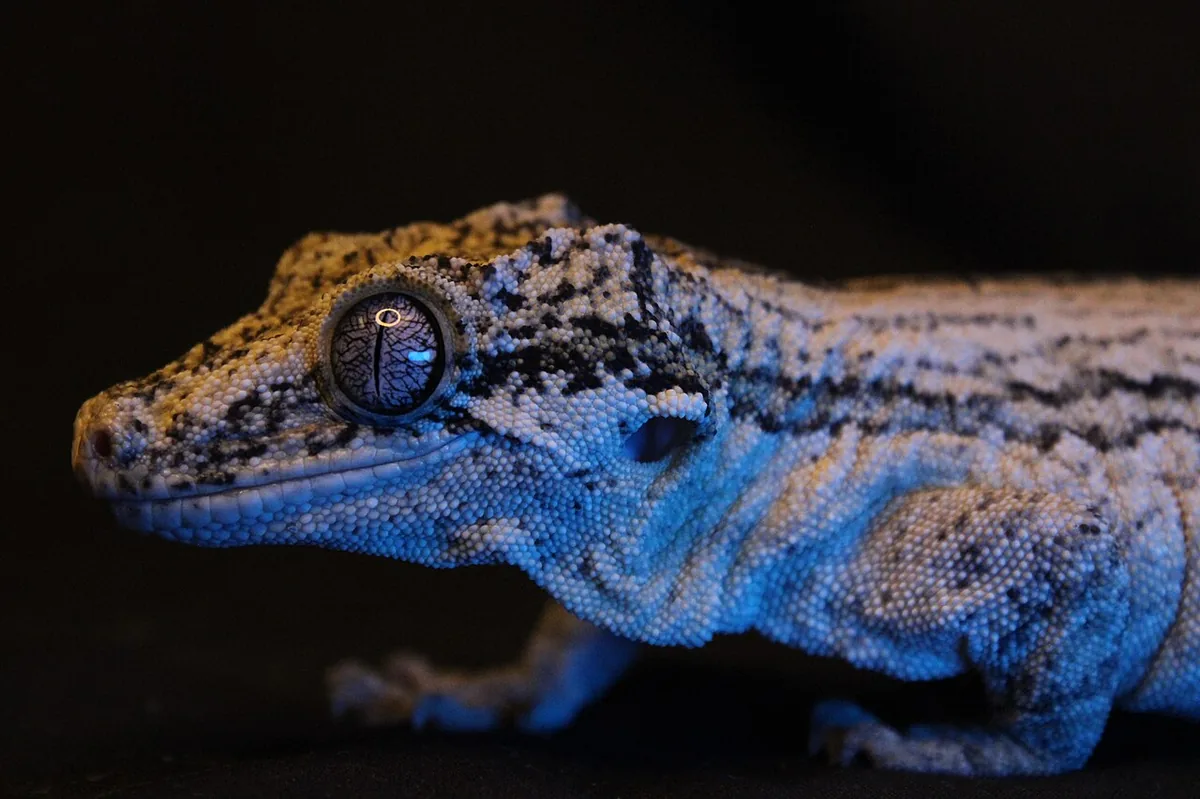
Leopard gecko enclosure advice has moved substantially, and a lot of what is still repeated in shops and older care sheets is out of date. The old 10-gallon figure is no longer supported, and current sources describe minimums roughly two to three times that.
What published sources give
| Figure | Size | Notes |
|---|---|---|
| Commonly published adult minimum | 36 x 18 in floor area, 12 in tall (~30 gal) | Floor area matters more than height |
| Also widely cited | 20 gal minimum, 40 gal recommended | Described explicitly as larger than the old pet-store minimum |
| The outdated figure | 10 gal | Still repeated in shops and older care sheets; not supported by current guidance |
Checked September 20, 2026. Where sources differ the range is shown rather than averaged. These are the figures published as minimums; none of them is a maximum.
What changes as they grow
Hatchling and juvenile
Smaller enclosures are used while the animal is small, and the same exposure caution applies as for other species: cover and hides matter more than raw volume. A juvenile with three hides in a modest enclosure is better housed than one in a large bare space.
Adult
Current sources cluster around a 36 by 18 inch floor area. Because leopard geckos are terrestrial, extra height adds little; length and width are what the animal actually uses.
Enclosure mistakes specific to this species
Using the old 10-gallon figure
This is the single most persistent piece of outdated leopard gecko advice. Current guidance describes older pet-store minimums as often around half the real requirement, and an enclosure that is too small is described as the most common welfare problem in captive reptiles.
Loose fine substrate plus feeding on it
Impaction is a recognised risk in this species, and it is worth taking seriously enough to change how you feed rather than only what substrate you use. Feeding from a dish removes most of the risk regardless of the substrate debate.
Heat rocks
Repeatedly singled out as a burn hazard because they heat unevenly. Leopard geckos take belly heat, which makes a thermostat-controlled under-tank heater with a probe the standard alternative.
Only one hide
A leopard gecko needs a warm hide, a cool hide and a humid hide. With fewer, the animal is forced to choose between the temperature it needs and the security it needs.
Enclosure hazards that apply to almost every setup
Five hazards come up across nearly every species on this site: contact burns from unguarded heat, UVB that never reaches the animal, cutting ventilation to hold humidity, unsecured decor, and trusting a bulb's wattage instead of a thermometer. They are set out in full, with sources, on our enclosure hazards page, which is worth reading once against any setup including one that looks finished.
Signs the enclosure is wrong
Animals tell you about their housing through behaviour before they tell you through illness. None of these is a diagnosis; each is a reason to look at the enclosure and, where noted, to call a vet.
| What you see | What it can mean |
|---|---|
| Persistent glass surfing or pacing | Commonly linked to an enclosure that is too small or too bare. |
| A tail that is thin relative to the neck | Body condition problem; check feeding and temperatures. |
| Stuck shed around toes and the tail tip | Usually a humid hide missing or too dry. Constricting bands can cost the animal toes. |
| Lethargy with a distended belly, or straining | Possible impaction. Veterinary attention. |
Common questions
What size tank does a leopard gecko need?
Current sources commonly give a 36 by 18 inch floor area, around 30 gallons, for an adult, with 20 gallons as a minimum and 40 recommended in other guidance. Floor space matters more than height, since leopard geckos are terrestrial.
Is a 10-gallon tank big enough for a leopard gecko?
No. The 10-gallon figure is outdated pet-store advice that current guidance describes as roughly half the real requirement. An enclosure that is too small is identified as the most common welfare problem in captive reptiles.
How many hides does a leopard gecko need?
Three: a warm hide, a cool hide and a humid hide. With fewer, the gecko has to choose between the temperature it needs and feeling secure, and the humid hide in particular prevents stuck sheds around the toes and tail tip.
Do leopard geckos need a tall tank?
No. They are terrestrial and use floor area rather than height. Extra length and width extend the thermal gradient and give more room for hides; extra height mostly goes unused.