How Long Do Frilled Dragons Live?
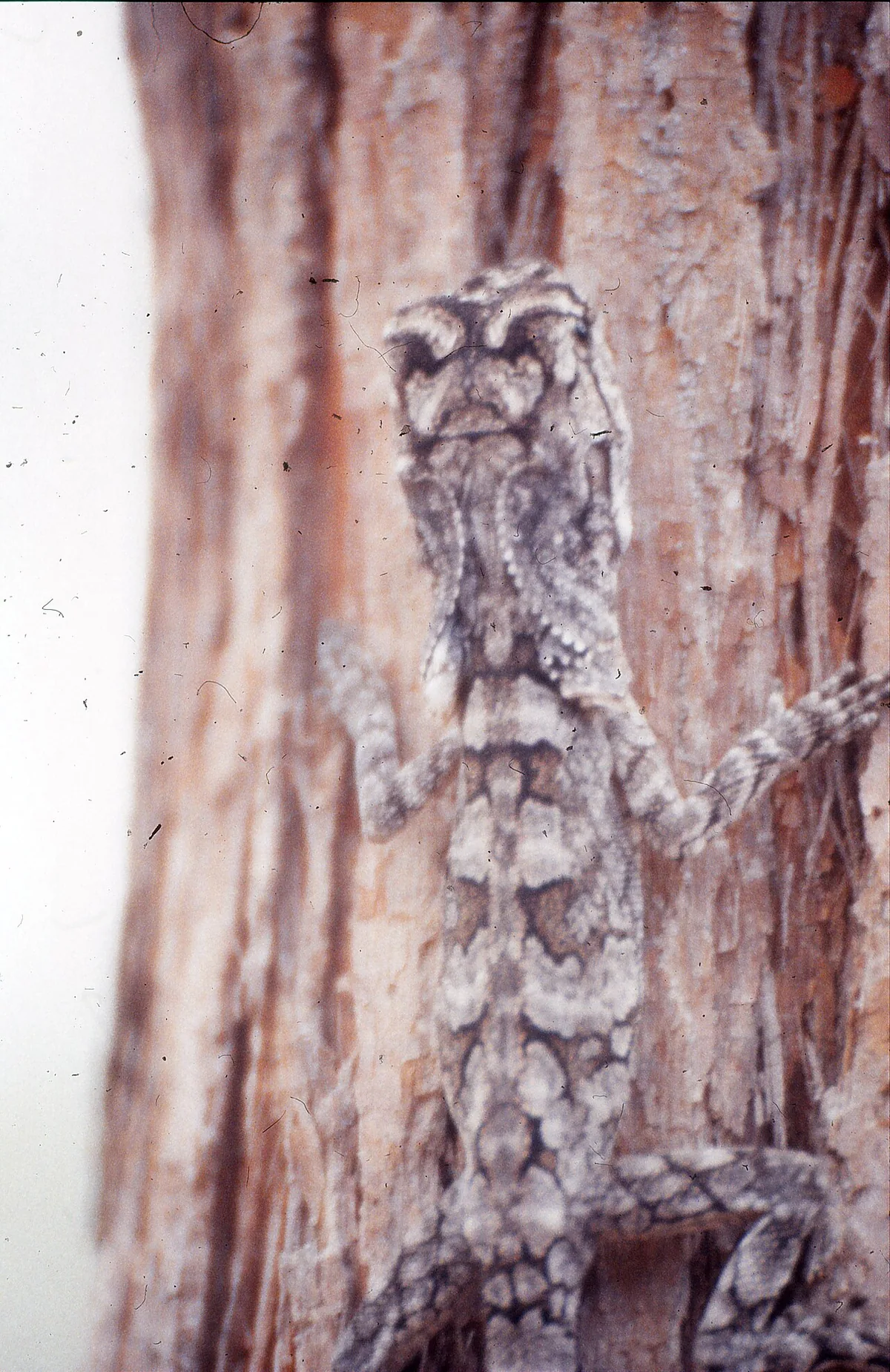
Frilled dragons are commonly published at 10 to 15 years, with some reported near 20. A point worth making plainly: the frill display that makes them famous is fear, not personality.
Published lifespan figures
| Figure | Value | Notes |
|---|---|---|
| Commonly published | 10-15 years | The usual captive range |
| Some individuals | Reported to around 20 years | With good husbandry |
| Captive-bred | Increasingly available | Better than imports |
Checked September 20, 2026 against the sources at the foot of this page. Where sources differ the range is shown rather than averaged.
What actually shortens it
Published lifespans describe well-kept animals. The gap between the figure above and what a frilled dragon actually lives is almost entirely husbandry, and these are the levers that matter most.
Metabolic bone disease
The leading husbandry cause of death in captive lizards, and a lighting failure more often than a diet one. UVB bulbs lose useful output within 6 to 12 months while still looking lit, and glass filters UVB out entirely.
Chronic stress from handling
The frill display keepers find impressive is a threat response. An animal displaying regularly is an animal being frightened regularly, and that is a continuous stressor rather than a trick.
An enclosure without height
They are arboreal and spend most of their time off the ground. A wide shallow enclosure denies the species its normal behaviour.
Common questions
How long do frilled dragons live?
Commonly 10 to 15 years in captivity, with well-kept individuals reported near 20. Captive-bred animals are increasingly available and do better than imports.
Is the frill display a good sign?
No. It is a threat and fear response. An animal displaying frequently is being frightened frequently, which is chronic stress rather than an entertaining behaviour to provoke.
What shortens a frilled dragon's life?
UVB and supplement failures causing metabolic bone disease, chronic stress from handling, and enclosures without the height an arboreal species needs.