Chahoua Gecko Enclosure and Habitat
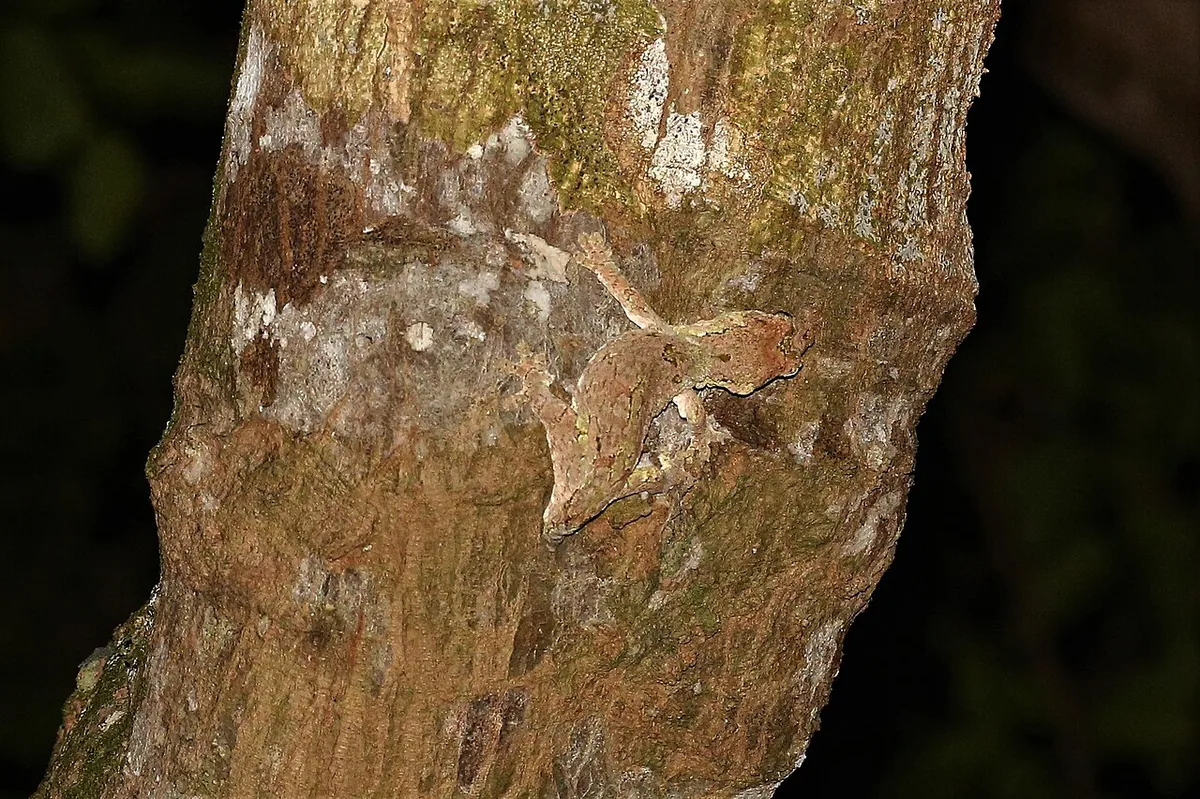
Chahoua geckos are the largest and heaviest of the commonly kept New Caledonian geckos, and the enclosure needs to carry that weight. The published minimum on this site is 18 by 18 by 24 inches, tall and planted.
What published sources give
| Figure | Size | Notes |
|---|---|---|
| Adult minimum | Tall and planted; 18 x 18 x 24 in | From this site's care guide |
| Orientation | Arboreal; prehensile tail, strong climber | Height is used heavily |
| Temperature | Cool-running; avoid above the mid-70s°F | New Caledonian species |
| Humidity | 60-80% | Measured mid-enclosure |
Checked September 20, 2026. Where sources differ the range is shown rather than averaged. These are the figures published as minimums; none of them is a maximum.
What changes as they grow
Juvenile
Smaller enclosures while small, as for other New Caledonian geckos, with climbing structure throughout.
Adult
18 by 18 by 24 inches minimum. Branches need to be sturdy: chahouas are heavy for geckos and will not use a perch that flexes.
Enclosure mistakes specific to this species
Unguarded bulbs, especially for climbers
Contact burns from bulbs are among the most common reptile injuries, and burn guidance singles out arboreal species because they climb toward the heat. Guard every bulb and emitter the animal can reach.
Flimsy climbing structure
Chahouas are heavy-bodied. Thin branches and lightweight decor that shift under them go unused, which wastes the enclosure's height.
Letting it run warm
They are a cool-running species and overheating is a real risk. A small glass enclosure under a heat lamp has very little thermal buffer.
Assuming crested gecko humidity is close enough
Chahouas want 60 to 80 percent measured mid-enclosure, which is at the higher end of the New Caledonian range.
Enclosure hazards that apply to almost every setup
Five hazards come up across nearly every species on this site: contact burns from unguarded heat, UVB that never reaches the animal, cutting ventilation to hold humidity, unsecured decor, and trusting a bulb's wattage instead of a thermometer. They are set out in full, with sources, on our enclosure hazards page, which is worth reading once against any setup including one that looks finished.
Signs the enclosure is wrong
Animals tell you about their housing through behaviour before they tell you through illness. None of these is a diagnosis; each is a reason to look at the enclosure and, where noted, to call a vet.
| What you see | What it can mean |
|---|---|
| Not using the upper enclosure | Branch stability or diameter; they will not use a perch that moves. |
| Stuck shed | Humidity too low. |
| Lethargy in warm weather | They are cool-running; check the temperature. |
| Dropped tail | Unlike crested geckos they regrow, but stress and handling raise the chance. |
Common questions
How big an enclosure does a chahoua gecko need?
A tall, planted enclosure of at least 18 by 18 by 24 inches for an adult. They are arboreal with a prehensile tail and use vertical space heavily.
Do chahoua geckos need sturdy branches?
Yes, more than other New Caledonian geckos. They are the heaviest of the commonly kept species and will not settle on branches or decor that flex under their weight.
What humidity do chahoua geckos need?
Between 60 and 80 percent, measured with a probe in the middle of the enclosure rather than at the glass. That is at the higher end of the New Caledonian gecko range.