← Asian Water Dragon care guide
What do Asian water dragons eat?
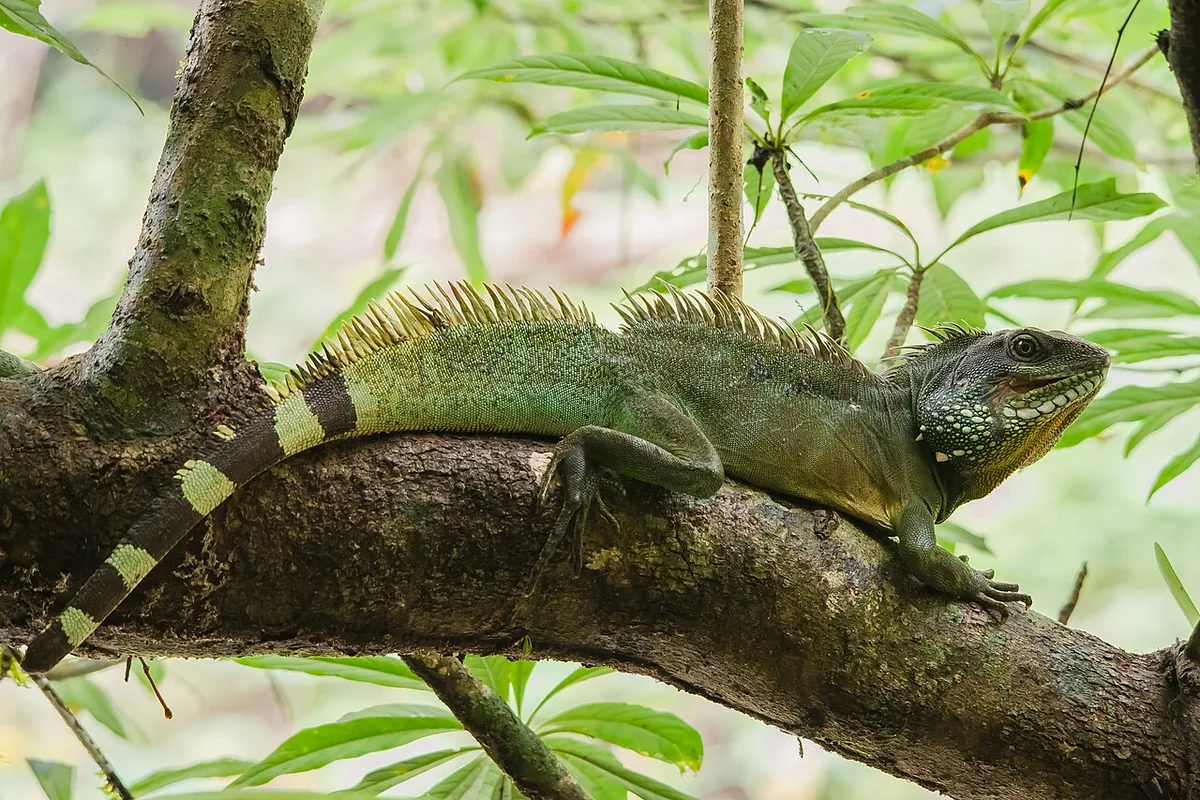
The short answer
Asian water dragons are insect-led omnivores. Insects form the bulk of the diet, supplemented with leafy greens, some fruit and occasional whole prey for adults. They are active, semi-aquatic and diurnal, and UVB and calcium matter as much here as the feeder list.
Feeding schedule by age
| Life stage | Diet balance | How often | Notes |
|---|---|---|---|
| Juvenile | Insects | Daily | Rapid growth; high insect volume |
| Adult | Insects with greens and occasional whole prey | Every 1-2 days | Plants a minor share |
| All ages | Calcium | Most feedings | Insect diets need it |
What to feed
| Food | Role | Why |
|---|---|---|
| Dubia roaches, crickets, locusts | Staple | The bulk of the diet |
| Black soldier fly larvae | Staple | Calcium-rich |
| Earthworms | Rotation | Well accepted |
| Collard and dandelion greens | Plant share | Minor but worthwhile |
| Occasional pinky mouse | Adults only | Not a staple |
| Berries and melon | Treat | Small amounts |
| Gut-loaded insects | Requirement | Feed the insects 24-48h before offering |
| Calcium dusting | Requirement | Insects are calcium-poor and phosphorus-rich |
What never to feed
Items in this table are either outright toxic or cause predictable long-term harm. This is the part of the page worth reading twice.
| Do not feed | Why |
|---|---|
| A rodent-led diet | Too fatty for an insect-led species. |
| Wild-caught insects | Pesticide, parasite and toxicity risk. |
| Fireflies / lightning bugs | Toxic to reptiles. |
| Relying on plants as the base | They are insect-led, not herbivorous. |
| Small enclosures with clear walls | Causes rostral abrasion; a husbandry rather than a diet issue. |
Where good sources disagree
Care sheets do not all say the same thing, and pretending otherwise helps nobody. These are the real points of difference between the sources cited at the foot of this page, and what we think the safe reading is.
How much plant matter they actually take.
Accounts differ on whether adults eat meaningful amounts of vegetation. Individual preference appears wide. Nobody describes them as making the transition to a plant-led diet that bearded dragons do.
What most asian water dragon feeding advice gets wrong
Nose rubbing is not about food.
Asian water dragons are famous for rubbing their snouts raw against glass, and it is one of the most common welfare problems in the species. It comes from enclosure design, not diet: transparent walls that the animal repeatedly tries to walk through. Visual barriers and a large, well-planted enclosure address it.
Insects first, everything else after.
Keepers sometimes push water dragons toward a bearded-dragon-style plant-led adult diet. They remain insect-led. Greens and fruit are worthwhile additions rather than the base of the diet.
Common questions
What do Asian water dragons eat?
Mostly insects: dubia roaches, crickets, locusts, black soldier fly larvae and earthworms, gut-loaded and dusted with calcium. Leafy greens, small amounts of fruit and occasional whole prey for adults supplement the insect base.
Do Asian water dragons eat vegetables?
Some, but they remain insect-led throughout life rather than shifting to a plant-based diet as adult bearded dragons do. Greens and fruit are useful additions rather than the base of the diet.
Why is my water dragon rubbing its nose raw?
Rostral abrasion is very common in this species and is caused by the animal repeatedly attempting to walk through transparent enclosure walls. It is an enclosure design problem rather than a dietary one, addressed with visual barriers and a larger, well-planted space.